Do I Need a Panel Upgrade for EV Charging?
Find out if your home needs a panel upgrade for EV chargers. Understand electrical loads, when upgrades are necessary, and alternatives to upgrading.
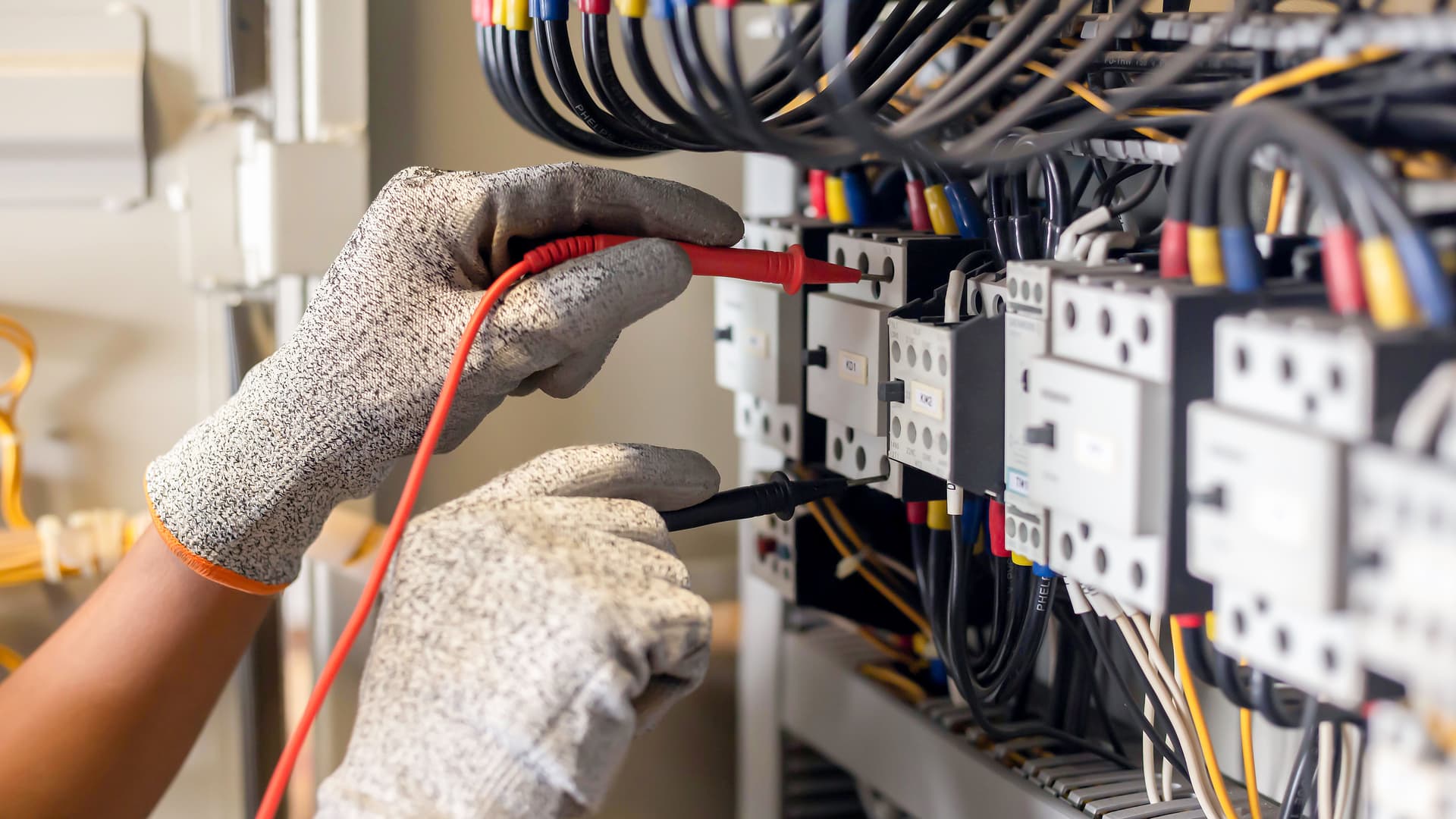
One of the most common questions homeowners ask before installing an EV charger is whether their electrical panel can handle the additional load.
Understanding Electrical Load
A Level 2 EV charger typically requires a 240-volt circuit and draws 30–60 amps. This is a significant load compared to most household appliances.
When You Likely Don’t Need an Upgrade
You may be fine with your existing panel if:
Your panel is rated at 200 amps
You have available breaker space
Your current load calculation shows spare capacity
When You Do Need a Panel Upgrade
A panel upgrade is often required if:
1. Your Panel is 100 Amps or Less
Older homes commonly have 100-amp panels, which are often insufficient for EV charging plus modern appliances.
2. No Available Breaker Space
Even if capacity exists, a full panel means you’ll need either a subpanel or full upgrade.
3. Load Calculation Exceeds Capacity
An electrician will perform a load calculation. If your home is already near capacity, adding an EV charger could overload the system.
4. Frequent Breaker Trips
This is a sign your system is already under strain.
Alternatives to Upgrading
Load management systems: Dynamically allocate power to avoid overload
Lower-amperage charging: Slower charging but less electrical demand
Scheduled charging: Charge during off-peak hours when other loads are low
Conclusion
Not every home requires a panel upgrade, but many older properties do. A licensed electrician can evaluate your system and recommend the safest, most cost-effective solution.